
What Jackson Probate Covers
In Jackson County, probate is handled by the Clerk of Superior Court. The North Carolina Judicial Branch estates material states that the elected Clerk of Superior Court in each county acts as probate judge. Elected clerks and assistant clerks hold most estate hearings and preside over most estate cases. If the validity of a will is challenged through a caveat, the matter is heard by a Superior Court judge.
Jackson County probate files commonly include wills, codicils, estate applications, death certificates, family or heir information, oath and qualification documents, letters testamentary, letters of administration, inventories, accountings, creditor notices, claims, clerk orders, and small-estate affidavits when an estate qualifies for a simplified procedure.
Because estate administration is a court function in North Carolina, the public record path is different from land or vital-record research. A deed, plat, or marriage certificate may support estate work, but the estate case itself is filed through the clerk.
The North Carolina Judicial Branch estates help topic is the statewide source for estate administration basics.
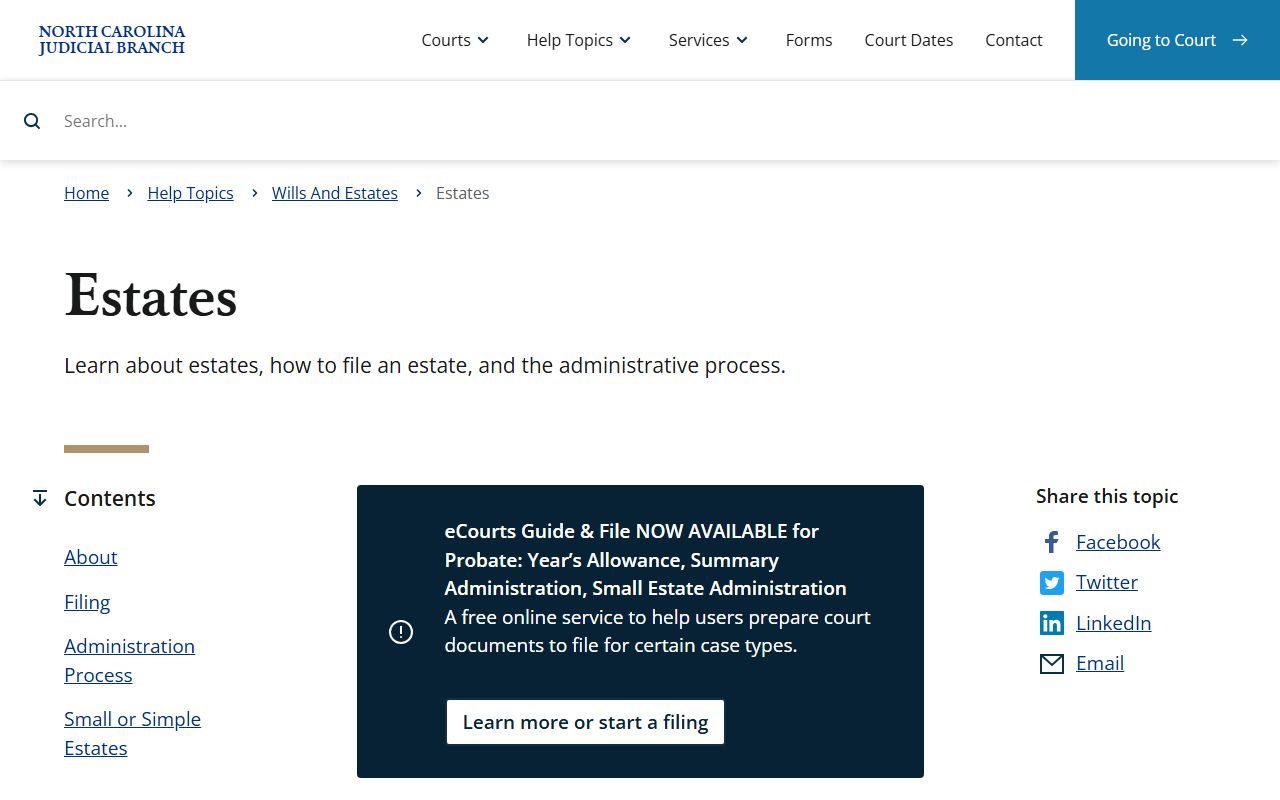
That state page matches Jackson County practice because the local Clerk of Superior Court is the probate official for estate matters.
Probate Terms Defined
Probate records use terms that are specific to estate administration and clerk proceedings. These definitions help interpret Jackson County estate filings without treating them as a substitute for the court's orders.
- Testator
- The person who made a will.
- Executor
- The person named in a will to administer the estate if the clerk qualifies that person.
- Intestate
- Dying without a valid will, which can lead to administration under North Carolina intestacy rules.
- Letters testamentary
- Authority issued to an executor after qualification in the estate file.
- Guardianship
- A court-supervised arrangement for a minor or incompetent adult, with access limits for sensitive details.
- Conservatorship
- A protective fiduciary role for property or financial affairs where allowed by law or court order.
Search Jackson County Probate Records
Online probate searching starts with North Carolina eCourts Portal Smart Search filtered to Jackson County. The research notes that estates may be searchable by estate name under the clerk record-keeping framework, and Smart Search can also use party names, record numbers, case status, and filing-date filters. Full document access may depend on case type, redaction, user role, and registration.
The backup channel is the Clerk of Superior Court at the courthouse. Use the clerk for copies, qualification questions, older estate files, estate-specific forms, and records not visible through the portal. The Judicial Branch public records request page also explains that copies of court documents are requested through the clerk in the county where the case was filed.
- Open the eCourts Portal and choose Smart Search.
- Search by estate name, party name, or record number, then use Jackson County as the location filter when available.
- Use advanced filters for filing dates, case type, or case status if too many results appear.
- Review the case information that is public and visible online.
- Contact the Estates division of the Jackson County Clerk of Superior Court for certified copies, qualification, or documents not shown online.
A person opening an estate should first determine whether the decedent was a Jackson County resident or whether the estate matter is otherwise properly filed in Jackson County. The research identifies the usual starting materials as the will, death certificate, proposed personal representative information, heirs or beneficiaries information, and any Judicial Branch forms required by the clerk. The clerk or assistant clerk reviews qualification and issues letters if appropriate.
After qualification, the personal representative marshals assets, gives required notices, addresses creditor claims, files an inventory, and submits accountings. Final accounting and distribution close the estate when allowed. If a caveat challenges the validity of the will, the contested issue moves from routine clerk administration to a Superior Court judge.
Jackson County Probate Office
Jackson County does not have a separate probate court with a different courthouse. The probate office is the Clerk of Superior Court, acting as ex officio probate judge for estates and many special proceedings. Kimberly Poteet is listed in Judicial Branch Jackson-related materials as Clerk of Superior Court. The contact directory protects individual email addresses, so use the official directory rather than copying hidden email text.
Jackson County Clerk of Superior Court
401 Grindstaff Cove Rd
Sylva, NC 28779
(828) 631-6400
Monday-Friday, 8:30 AM-5 PM
The Clerk of Superior Court is separate from the Register of Deeds. The Register of Deeds handles land records, marriage licenses, vital records, plats, powers of attorney recordings, and similar recorded instruments. Estate files, court copies, and probate qualifications go to the clerk.
Probate Filing Fees
Probate and estate costs are set by statewide court-cost schedules and N.C. Gen. Stat. § 7A-307. The research captured estate fee highlights from the current costs materials, including administration costs, the gross-estate percentage fee, probate of a will without qualification, and collection by affidavit.
| Item | Amount |
|---|---|
| New estate administration | $120 plus gross estate percentage |
| Estate gross-value fee | $0.40 per $100, $15 minimum, $6,000 maximum cumulative |
| Probate of will without qualification | $30 |
| Collection of personal property by affidavit | $120 plus gross estate percentage |
| Clerk copy preparation | $2 first page, then $0.25 each additional page |
| Certificate under seal | $3 |
The Current Court Costs page is the official source for the latest estates, special proceedings, civil, criminal, and miscellaneous schedules.
What Jackson Probate Records Show
Estate files can show the application or petition opening the estate, the will and codicils if filed, the death certificate or death information required by the clerk, heirs and beneficiaries, qualification documents, letters testamentary or letters of administration, inventories, accountings, creditor notices, creditor claims, clerk orders, and final accountings. Small-estate affidavits or summary administration records may appear when the estate qualifies.
The manifest includes the Jackson County plats page, which belongs to the Register of Deeds rather than probate court.
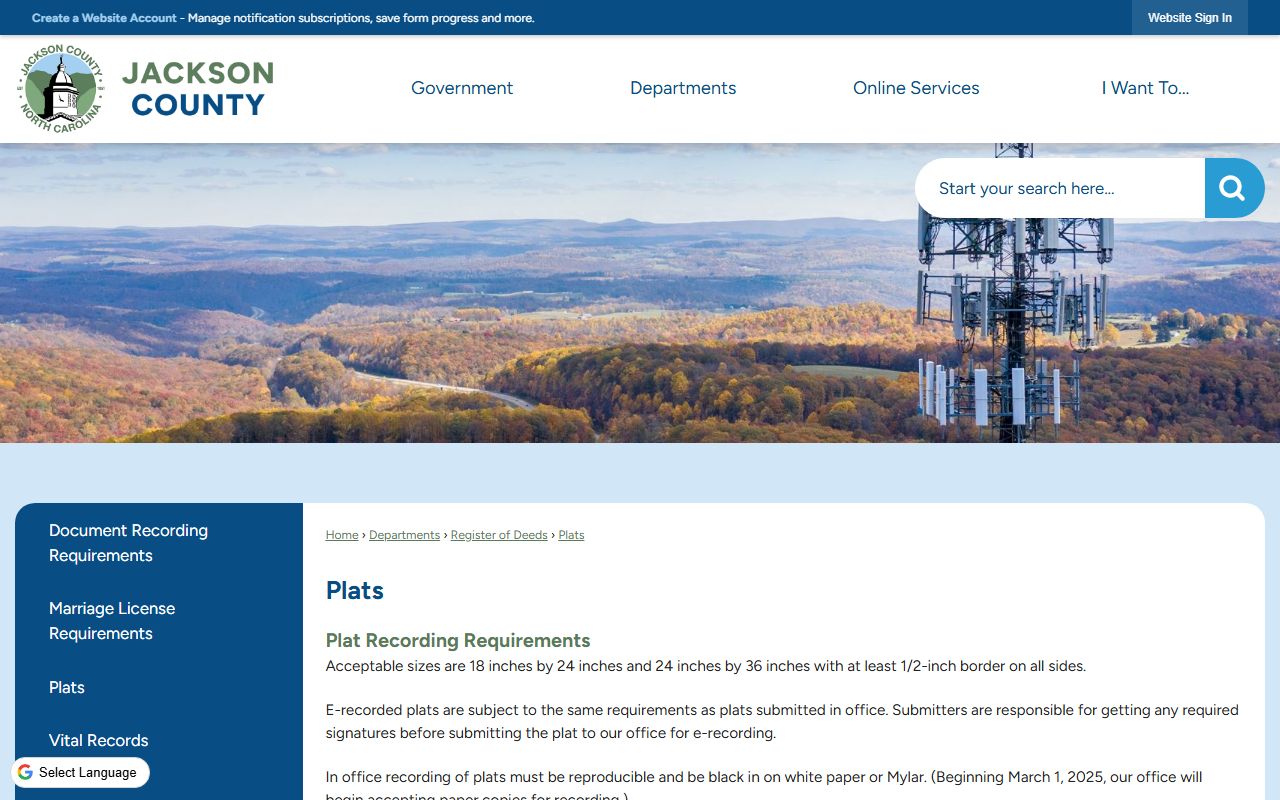
That distinction matters because recorded plats and land instruments may support estate research, but the estate case file itself remains with the Clerk of Superior Court.
| Probate Field | What It Shows |
|---|---|
| Estate name | The decedent or estate caption used to locate the file. |
| Personal representative | The executor, administrator, or other fiduciary qualified by the clerk. |
| Letters | Authority issued by the clerk to act for the estate. |
| Inventory | Assets reported as part of estate administration. |
| Accountings | Periodic or final reports showing estate activity and proposed closing. |
| Orders | Clerk or court directions entered in the estate or special proceeding. |
Restricted Probate Records
Not every probate-related record is an ordinary public copy. Guardianship files can contain sensitive medical, financial, or minor-related details. Mental-health proceedings are sensitive and are not routine public records. Personal identifiers, financial account data, confidential addresses, minor identities, and sealed materials may be redacted or withheld where law requires.
Public access still begins from N.C. Gen. Stat. § 7A-109, which requires clerks to keep records, files, dockets, and indexes open to public inspection unless prohibited by law. If the requested estate material is not visible online, the practical step is to ask the Clerk of Superior Court whether the document is public, redacted, confidential, or available only to a party or by court order.
North Carolina's general public-records statute, N.C. Gen. Stat. § 132-1, defines public records broadly, but estate access still depends on the court-record statutes and confidentiality rules that apply to the specific file. Juvenile materials, adoption records, mental-health details, and expunged or sealed records should not be treated as open probate documents simply because they are mentioned near an estate or special proceeding.
Federal bankruptcy and federal civil records are outside the Jackson County probate file. The manifest includes PACER and the U.S. Bankruptcy Court for the Western District of North Carolina because federal cases may affect estate research when debts, bankruptcy, or federal litigation are involved.
PACER is a federal records system, so it should be used only when the estate question involves a federal case rather than the local Jackson County probate file.
The Western District bankruptcy court is another separate source for federal bankruptcy cases that may intersect with estate administration or creditor questions.
Bankruptcy records do not replace the clerk's estate file, but they can explain creditor, debt, or asset issues that appear around an estate.
CourtListener is a legal research source rather than the Jackson County probate clerk.
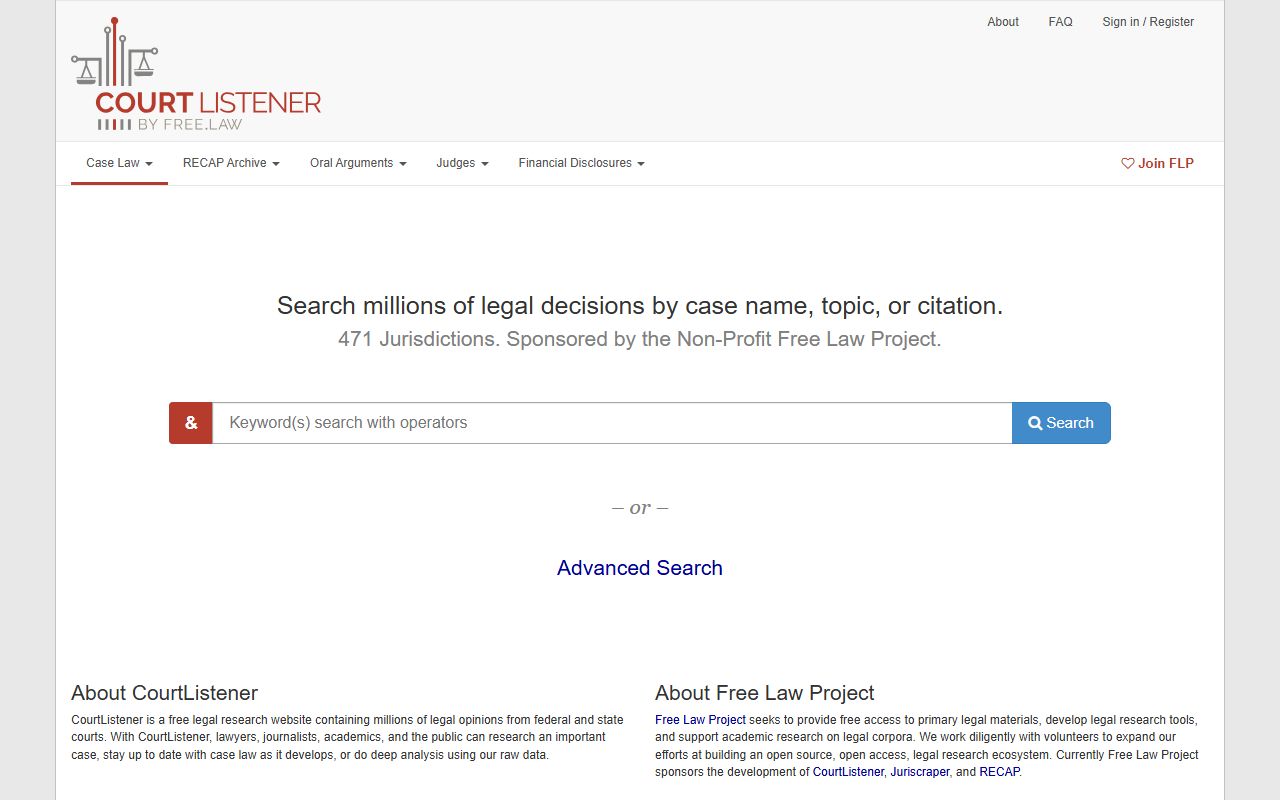
Use legal research databases for opinions or cited litigation, and use the Clerk of Superior Court for Jackson County estate filings and probate copies.